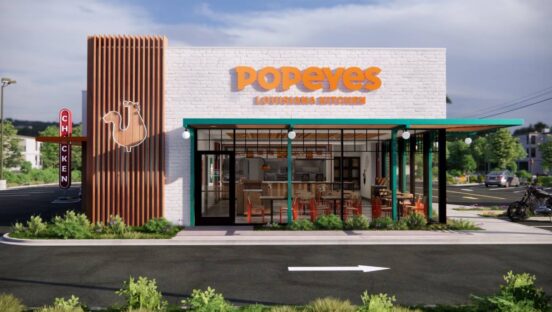
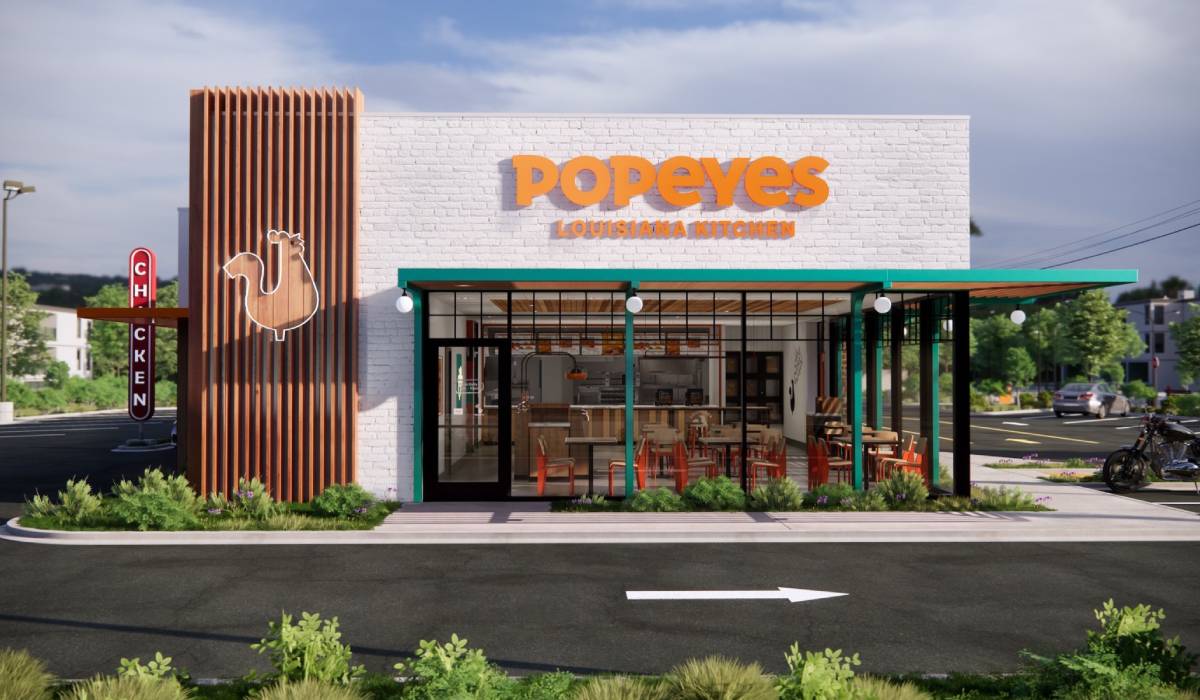
Popeyes’ return to sales growth is taking longer than expected as the chicken chain reduces its wings offering and works to improve the experience customers receive in its restaurants.
Same-store sales declined 1.8 percent in the third quarter, falling short of RBI’s expectations. The company previously anticipated a return to positive same-store sales in the second half of the year but now expects the recovery to take more time. It did not provide a new timetable.
RBI CEO Joshua Kobza identified two factors that weighed on performance, including the September return of the $6 Big Box promotion, which wasn’t as incremental as the chain had hoped.
Kobza also pointed to operational execution and product satisfaction as areas the company is working to improve, even though those efforts have not translated into the sales recovery RBI expected.
Popeyes’ other sales headwind came from a deliberate decision to reduce its wings offering. The company is simplifying that platform to ease operational demands and give its signature products more attention. Kobza acknowledged that the change put pressure on year-over-year sales.
“Wings add operational complexity, and simplifying the platform allows us to put greater emphasis behind the core items that define Popeyes, our bone-in chicken, tenders, and the sandwich,” Kobza said.
READ MORE: Burger King Reclaims No. 2 Spot in U.S. Burger Category and Plans to Keep It That Way
There are signs of progress inside the restaurants. According to Kobza, Popeyes was the only brand in the chicken category to record year-over-year improvements in overall service satisfaction during each of the first three quarters of the year. Gains in perceptions of value for money and food quality helped drive that improvement.
Customer satisfaction with Popeyes’ core chicken reached its highest level on record, according to RBI. Traffic trends also improved sequentially, offering an encouraging signal despite the negative same-store sales result.
The softer performance also accompanies a slower development outlook in North America. CFO Sami Siddiqui said Popeyes’ unit growth in that region is expected to decelerate from last year’s pace.
RBI did not provide a revised numerical development target for the region during the call. Its immediate priorities for Popeyes are improving restaurant execution, delivering everyday value, and making the core food more satisfying.
Elsewhere in RBI’s portfolio, Tim Hortons’ Canadian same-store sales increased 1.8 percent in the third quarter, improving from the second quarter as sales grew across dayparts and menu categories. Cold beverage sales rose nearly 5 percent, supported by the July launch of matcha. More than two-thirds of matcha beverages sold during the afternoon and evening, and nearly 75 percent of orders included another item. Melts and the returning Turkey Bacon Club with Honey Mustard helped drive growth in afternoon and evening food sales.
Tim Hortons is also expanding its loyalty partnerships. A September agreement with Canadian Tire allows members to earn Canadian Tire Money alongside Tims Rewards, with early account linking exceeding expectations. A WestJet loyalty partnership is planned for 2027. Inside restaurants, the chain is supporting operators with speed-of-service coaching, better visibility into cleanliness, and simpler processes.
Firehouse Subs recorded same-store sales growth of 1.5 percent and net restaurant growth of 7.8 percent, driving an 8.3 percent increase in systemwide sales. The chain reached 1,500 restaurants in North America, including 200 in Canada. Its menu calendar included the new Smokin’ Honey Melt and the September return of the Thanksgiving Sub.
RBI sees additional development opportunities for Firehouse in its home markets and internationally. Siddiqui said new restaurants are delivering investment payback periods of less than four years, supporting the company’s confidence in expansion. Kobza also pointed to opportunities to attract customers through new products and returning favorites.