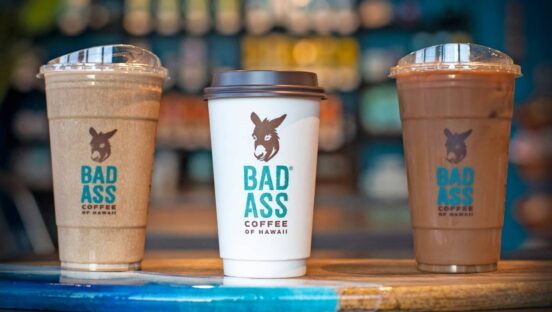
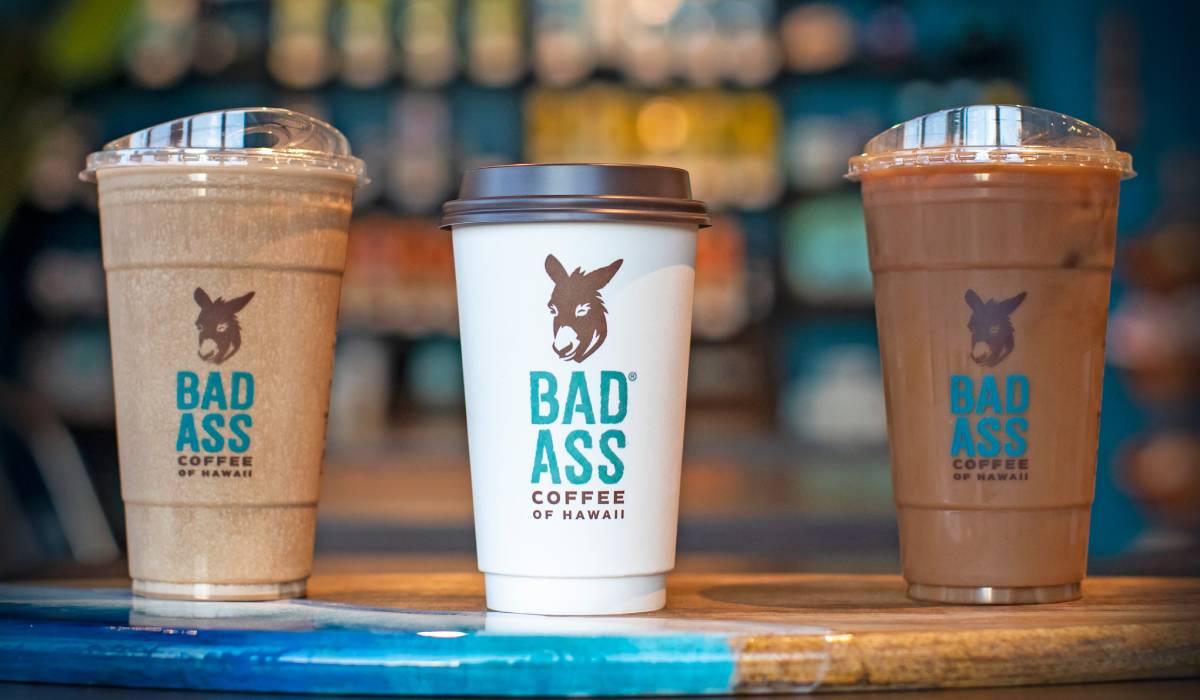
Bad Ass Coffee of Hawaii has a story that travels well. Its name, Tom Wylie explained in an episode of QSR Uncut, pays tribute to the donkeys that carried heavy loads of coffee beans down Hawaii’s mountains. Stores aim to bring a sense of experience and place to guests, whether they’re on vacation or stopping in for a regular drink.
But as the brand grows, Wylie says, a compelling story needs to be supported by a strong business model. That means giving franchisees tools to manage costs, understand customers, and act on information without getting buried.
Wylie and Diane Le, who leads marketing for PAR Technology’s restaurant division, discussed what connected data unlocks for operators.
1. The best data is useful while there’s still time to act
Restaurants operate on thin margins, and Wylie says waiting for financial statements can leave sore leaders responding to problems weeks after they began.
His example: By the time a monthly period ends and financials arrive, an issue that started early in the period may have been affecting the business for 45 days already. A labor or inventory problem discovered then has compounded.
Connected systems offer a timelier view of what’s happening across sales, labor, and inventory. Wylie cautions against overreacting to every fluctuation, but says a weekly look at the right numbers uncovers when something needs attention.
For him, the goal isn’t an endless dashboard. Rather, he’s looking for a small set of meaningful KPIs that help an operator assess a store’s health and decide where to investigate.
The wisdom: Collect information to support decisions, not just reports. The sooner an operator can see a problem, the sooner they can respond.
2. Connected data should tell one clear story
Most restaurant operators depend on multiple systems: point of sale, back-office operations, and loyalty, among others. The challenge is making sure systems understand one another.
Wylie recalls Bad Ass Coffee’s earlier infrastructure could be connected, but the process required effort and information didn’t line up cleanly. One system might use a different unit of measure than another, making it harder to understand, say, inventory and costs.
Le describes “connected data” as more than putting information on one screen. It means ensuring the underlying information, such as a transaction, a guest, a menu item, or a recipe, can be understood across systems.
That can reduce the work of reconciling conflicting information and help operators see how different parts of the business relate. A loyalty promotion, for example, isn’t just a marketing event; it can also affect what a store needs to have on hand and how it plans labor.
The wisdom: Ask not only whether your systems can connect, but whether the information flowing between them is consistent enough to guide a decision.
3. Build your technology around how the business actually operates
A system that works well for one restaurant concept won’t necessarily fit another without adjustment. At Bad Ass Coffee, Wylie says, the range of ingredients, syrups, and drink combinations made an off-the-shelf approach difficult to manage.
As the brand began rolling out PAR’s point-of-sale system, the team configured it around Bad Ass Coffee’s products and recipes. Wylie said four to six stores were currently active on the system.
The intent is to make sales and recipe information useful for understanding inventory. If a store sells a certain number of lattes, the system can help establish how much coffee and syrup should have been used. An inventory variance then gives an operator a reason to look closer.
That doesn’t automatically explain itself, though. Wylie notes it could reflect overuse, underuse, or theft. Underuse matters, too: A guest who receives a drink made with too little of an ingredient may not get the experience they expect.
The wisdom: Choose and configure tools around the realities of your menu and operation. A useful system should help people investigate a problem, not pretend every discrepancy has the same cause.
4. Let technology create more room for hospitality
Le says restaurant teams don’t get into the business because they want to spend their days assembling spreadsheets. They care about serving people and creating good experiences.
That became clear while observing a Bad Ass Coffee manager move between helping staff, serving guests, checking the restaurant, and finding information on back-office computers. Even during what was described as a slower season, the manager had plenty to balance.
Both see an opportunity for technology, and, in some cases, AI, to make information easier to use. Wylie says his team uses an AI process to consolidate monthly financial reports and highlight key performance measures. Instead of combing through pages of information first, operators can review a summary and dig deeper where needed.
Le also stresses people still need to remain involved. A useful summary helps someone decide where to look but it doesn’t eliminate the need for judgment or oversight.
The wisdom: Measure a technology investment by the time and attention it returns to the team, and by whether people can still question the output.
5. Loyalty should reflect the guest’s relationship with the brand
Not every Bad Ass Coffee guest has the same opportunity to return. Someone who visits a neighborhood location several times a week has a different relationship than a beverage drinker who discovers it on vacation.
Wylie says the company thinks about those customers differently. For traditional locations, loyalty data enables the brand to understand what guests buy and develop offers intended to encourage another visit. At tourist restaurants, the relationship may continue through e-commerce, where guests buy products after they return home.
He also wants operators to have a way to respond when a guest has a bad experience. A loyalty system, in his view, should support a two-way relationship; not simply collect information or send promotions.
“If a customer has an experience, I need to acknowledge the experience, good or bad,” Wylie said.
The wisdom: Use loyalty data to understand the context of a guest’s relationship with you. The right next interaction may be an invitation back to the store, a way to shop from home, or a thoughtful response to a problem.