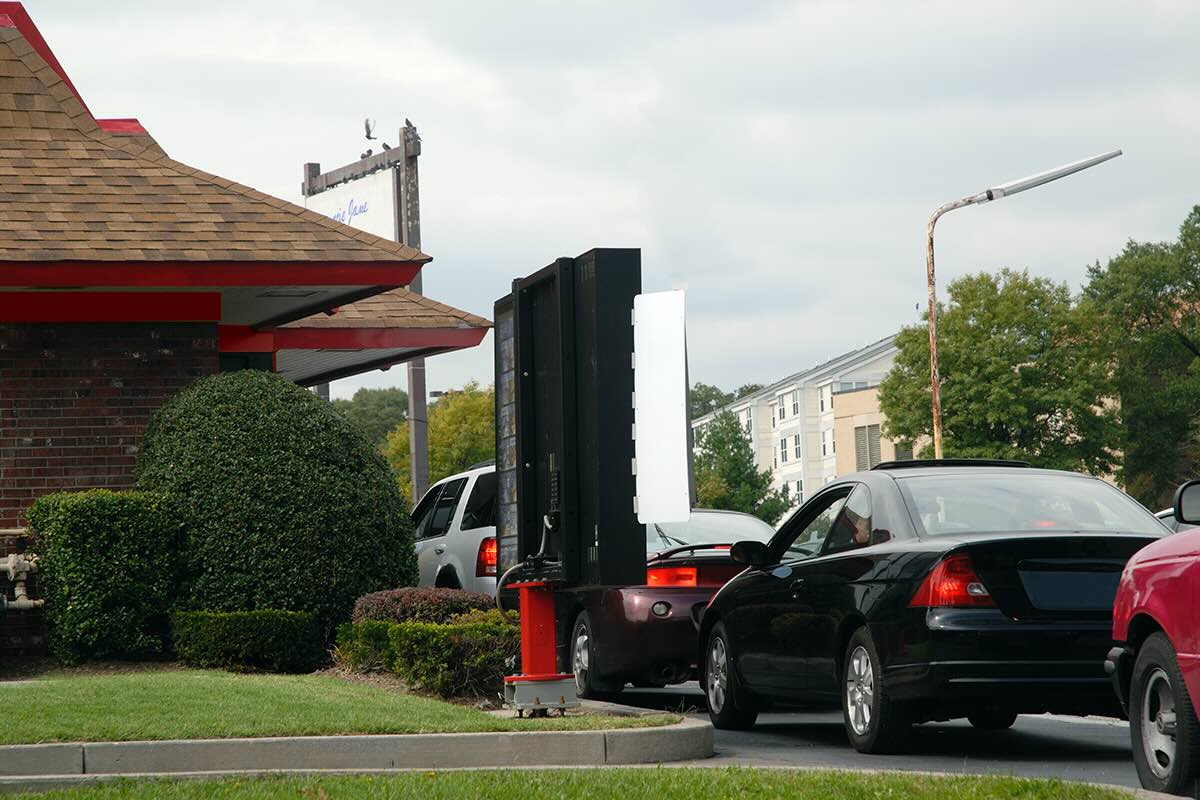
Drive-thru sales at top brands make up anywhere from 50–70 percent of revenue, according to the 2025 Drive-Thru Report from QSR magazine and Intouch Insight. Yet many operators are still relying on ground loop timers, leaving blind spots in drive-thru lanes—they know when orders are delayed, but not why. These timers are also prone to issues, causing lanes to go offline for days or even weeks while repairs are made, leading to lost revenue and unhappy customers.
With these limitations in mind, it’s no surprise franchisees at major brands are moving away from legacy tech and turning to AI-driven video intelligence to gain deeper insight into daily operations.
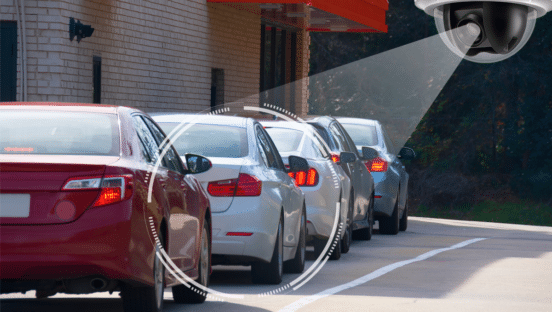
“Operators are struggling to innovate because they’re trying to get new insights from old data,” says Kyle Nolan, AI product manager at Solink. “With timers, operators only get information at the menu board and the window. Everything in between that is guesswork. When operators don’t know what’s happening in those blind spots, they can’t improve what actually matters.” In the drive-thru, reliance on outdated technology, like ground loop timers, continues to fuel mysteries and missed revenue.
Solink’s approach has always been to help brands get more value from the systems they already have, with no high-upfront investments or major hardware overhauls. By connecting existing cameras and operational data in a single platform, operators get the visibility they need to improve loss prevention, operational efficiency, and safety across multiple locations. And by equipping those same cameras with powerful AI capabilities, operators can unlock new insights to drive revenue, both in-store and in the drive-thru.
“As we built out AI, we added more pillars—no additional AI hardware, zero to minimal configuration, and still running on the cameras you already have,” Nolan says. “That makes us incredibly easy for major brands to adopt because they’re not locked into proprietary hardware. We want to meet operators where they are, not force them into a system they don’t want.”
As Solink continues to strengthen its AI Vision Analytics offering for quick-service restaurants, brands can level up their drive-thrus by adding visual context to service times, all while leveraging existing cameras and POS systems. With richer data available in reports, operators can identify the causes and frequency of drive-offs, spot recurring patterns that impact service, and benchmark performance across locations. Operators get actionable, everyday insights all on one dashboard, giving them the insights they need to make meaningful procedural improvements.
“Within the first day of turning our solution on, one operator discovered several drive-offs they never knew were happening—including a customer sent away two minutes before opening,” Nolan says. “Those are small issues that quietly drain revenue. Once you see the pattern, you can fix it immediately, and that’s just one example of the kind of hidden loss AI video brings to the surface. We expect to see a big impact for our customers as they roll out Vision Analytics across more locations and more areas of their business.”
Operators don’t need to continually invest in new technology solutions—they need tech solutions that continuously innovate and allow them to get more value from existing hardware.
“It’s always a pleasure when a customer says, ‘Now we finally understand why something is happening,’” Nolan says. “We’re turning assumptions into facts, and that unlocks a completely new level of operational improvement. When operators know what’s really happening, they can finally fix what’s been holding them back.”
Learn how Solink helps restaurants turn better visibility into revenue growth.