
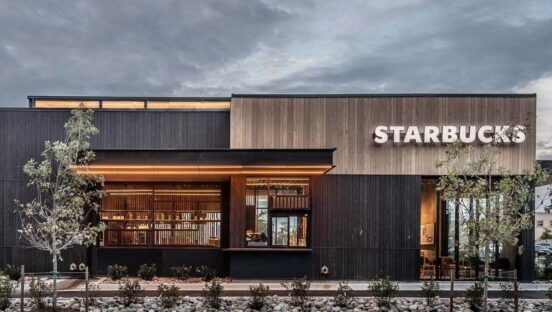
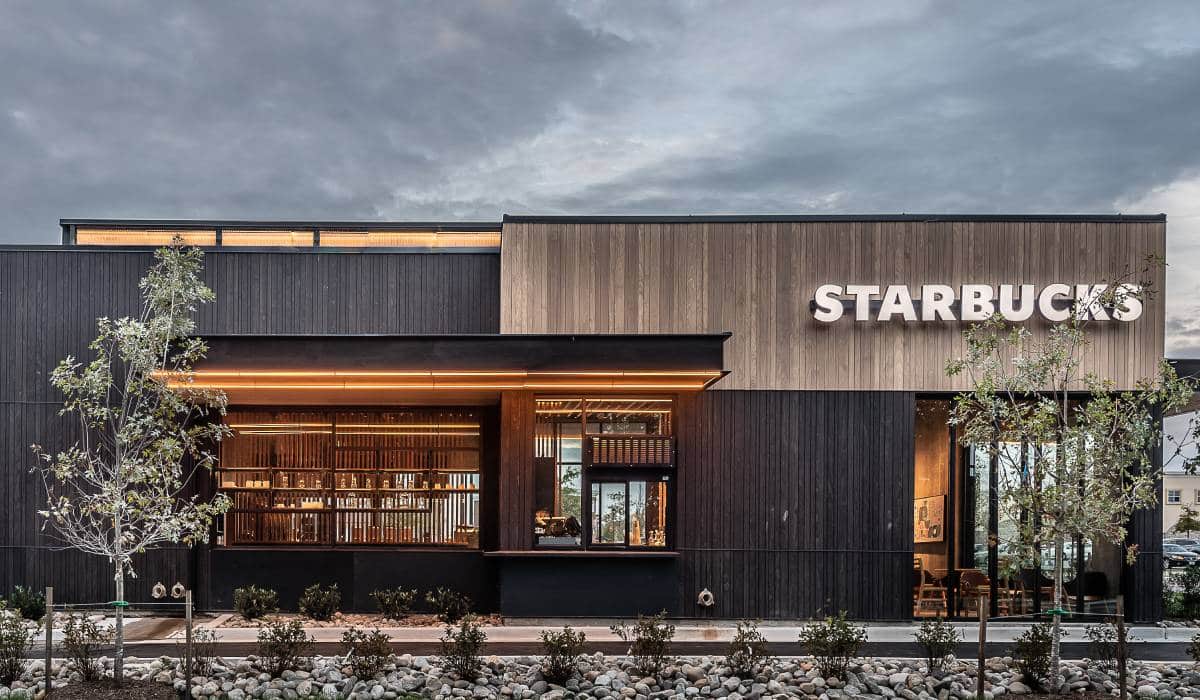
Starbucks has reportedly explored acquiring Chipotle in what could become the largest takeover in restaurant industry history.
According to the Financial Times, Starbucks has worked with advisers in recent months on a potential acquisition of the fast-casual chain. The status of those discussions remains unclear, including whether Starbucks has submitted a formal offer.
The publication, citing people familiar with the matter, cautioned that a transaction of this magnitude would face significant challenges and may never materialize.
Bloomberg also reported on the potential acquisition Thursday, noting that Chipotle shares surged as much as 8.6 percent following the news. Starbucks shares fell as much as 6.7 percent during trading, marking its largest intraday decline in more than a year.
Starbucks declined to provide comment to the Financial Times. Chipotle did not immediately provide a comment in response to the Financial Times.
The potential transaction would reunite Starbucks CEO Brian Niccol with the company he led from 2018 until August 2024, when he departed to take over the coffee giant.
Niccol spent more than six years transforming Chipotle into one of the industry’s most successful growth stories. His tenure included a significant expansion of digital ordering, the introduction of Chipotlanes, and a recovery from the food-safety challenges that had damaged the brand’s reputation.
Since his departure, Chipotle’s stock has lost nearly half its value, according to the Financial Times.
Starbucks operates roughly 41,000 company-owned and licensed stores globally, and Chipotle has more than 4,200 restaurants, the vast majority in the U.S.
The deal would surpass Burger King’s $11.4 billion acquisition of Tim Hortons in 2014, which currently stands as the industry’s largest takeover.
However, one analyst questioned the strategic rationale.
“Initially, it doesn’t seem like there’s that many synergies for something like this to happen,” Melius Research analyst Jacob Aiken-Phillips told Bloomberg. “Obviously, Brian Niccol has intimate knowledge of Chipotle’s operations and Chipotle has pulled back a ton, but I’d have to hear a lot more about what the potential plan would be to see if there’s actually anything to be gained.”
Aiken-Phillips suggested Chipotle’s supply chain could offer advantages as Starbucks continues expanding its food offerings. Chipotle’s established relationships with suppliers of fresh ingredients could provide purchasing opportunities, although the companies operate fundamentally different restaurant models.
“Chipotle has purchasing scale of all these good, fresh ingredients and relationships across the country, so certainly that could help, but it’s not like Starbucks has a grill,” he told Bloomberg.
Another analyst note from William Blair’s Sharon Zackfia suggested the financial case for a combination could be difficult to make. The analysis estimated potential corporate and technology savings at roughly $300 million, but saw limited traditional supply-chain overlap because Starbucks and Chipotle source fundamentally different products. Other possible benefits could include shared loyalty programs, cross-brand products, or using Starbucks’ international relationships to accelerate Chipotle’s licensed growth.
Financing could be the larger hurdle. With Chipotle carrying an enterprise value above $40 billion, the analysis estimated a takeover could cost closer to $50 billion after factoring in a typical acquisition premium.
The takeover speculation comes as the two chains navigate different stages of their respective turnarounds.
Starbucks has spent the past two years rebuilding its business under Niccol’s Back to Starbucks strategy, which prioritizes hospitality, speed of service, staffing, menu innovation, and the return of the traditional coffeehouse experience.
The company has invested hundreds of millions of dollars in labor and operational improvements, including its $500 million Green Apron Service Model, designed to improve staffing levels, deployment, and customer service.
Those efforts have begun translating into stronger financial results.
Starbucks posted global same-store sales growth of 7.9 percent in its fiscal third quarter, marking its fourth consecutive period of positive global comparable sales. U.S. same-store sales also increased 7.9 percent, supported by 4.2 percent transaction growth and a 3.6 percent increase in average ticket. Additionally, the company recorded its second consecutive quarter of consolidated operating margin improvement, with margins expanding 100 basis points year-over-year.
Starbucks also reported five-year highs in brand affinity, consideration, and purchase intent. The turnaround has included renovating coffeehouses, improving operational consistency, expanding food innovation, and restoring elements of the brand that Niccol believes were lost during its previous emphasis on speed and convenience.
Chipotle, meanwhile, has been navigating its own recovery under CEO Scott Boatwright, who previously served as COO under Niccol.
The company experienced a difficult 2025 as consumer spending pressures, weaker traffic, and changing perceptions of value weighed on performance.
Chipotle’s same-store sales declined 1.7 percent last year, marking its first annual decrease since 2016.
In February, Boatwright introduced a five-part turnaround strategy called Recipe for Growth, focusing on operational standards, menu innovation, marketing, loyalty, restaurant development, and employee engagement.
The strategy has started producing results.
In Q2, same-store sales rose 2.2 percent, supported by a 1 percent increase in transactions. It was the company’s strongest comparable-sales performance since the fourth quarter of 2024.
Average-unit volume increased to $3.102 million, compared with $3.094 million in the first quarter.
The company also reported improving engagement among younger and lower-income consumers, two groups that had pulled back on visits during the previous year.
Chipotle’s operational improvements have included investments in high-efficiency kitchen equipment, increased staffing discipline, stronger hospitality standards, and a renewed focus on restaurant throughput.
Chipotle plans to open roughly 350 company-operated restaurants this year, with approximately 80 percent featuring a Chipotlane digital pickup window.