One finding in the 2026 QSR Drive-Thru Report caught my attention. In drive-thru visits where AI handled the order, mystery shoppers were 23.9 percentage points less likely to receive a thank-you at the pickup window. Positive assessments of crew demeanor were 15.7 percentage points lower.
As someone who builds drive-thru AI, I think those numbers deserve a closer look.
The study doesn’t tell us that AI caused those differences. And I don’t think the findings mean AI is inherently less hospitable than a human crew member. In some ways, AI has an advantage. It doesn’t get tired during the lunch rush or lose patience after answering the same question for the hundredth time. It can deliver the same friendly interaction on its five-hundredth order as it does on its first.
But the findings do raise a question that restaurant operators and those of us building technology for them need to take seriously. We talk a lot about giving crews more time to focus on hospitality. What does that actually mean for someone juggling a dozen responsibilities during a lunch rush?
The conversation doesn’t end at the speaker
Before starting my company, I spent weeks standing near drive-thru order posts with a laptop, listening to hundreds of ordering conversations. I wanted to understand what actually happened between a guest pulling up to the speaker and placing an order.
What struck me was how much crew members were juggling at once. They might be filling drinks, assembling orders or taking payments, all while taking orders through their headsets. And those orders weren’t always straightforward. Guests changed their minds, asked questions, made substitutions and occasionally ordered things that weren’t on the menu. Crew members had to keep up with every request, accurately enter orders into the point-of-sale system and make adjustments on the fly, all while keeping track of their other responsibilities.
That’s where I see a real opportunity for AI. By handling the ordering conversation, AI can take one of those competing demands off a crew member’s plate. Crew members still wear headsets to monitor ordering conversations and step in when needed, but they no longer have to manage every exchange themselves.
So, what does that mean for the guest? By the time they reach the pickup window, they may have spoken only to AI, and the crew member greeting them may not have participated in the ordering conversation at all.
That doesn’t have to make the interaction less personal. With one less demand competing for their attention, crew members have an opportunity to make that first human exchange count.
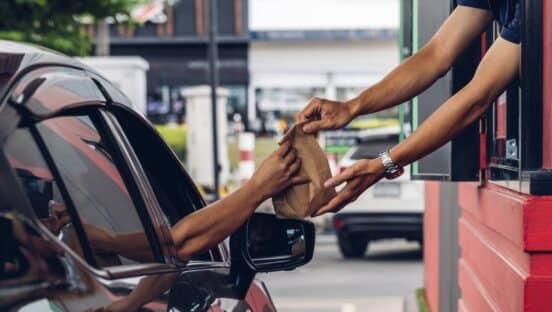
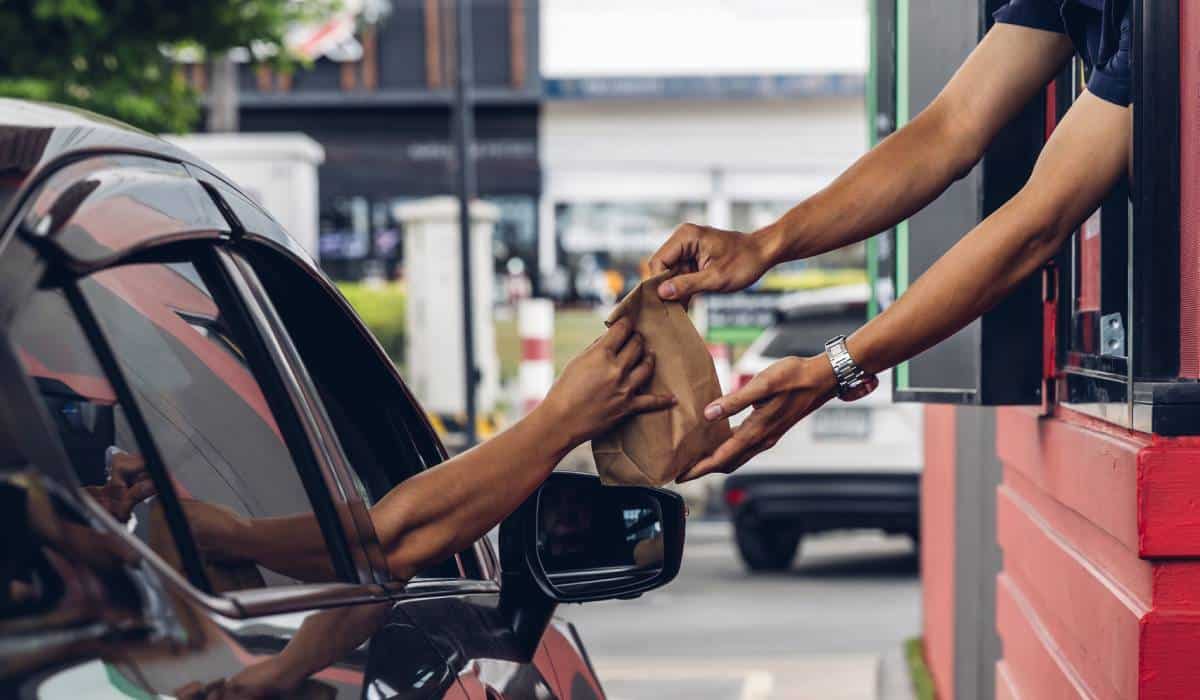
That could mean taking an extra moment to check that an order is complete, make sure food is packaged properly or explain a delay. Brands can also build a friendly greeting into their pickup-window scripts. And sometimes, it’s as simple as making eye contact, smiling and offering a genuine thank-you instead of hurriedly passing a bag through the window.
There’s a benefit for the crew, too. Restaurant jobs are demanding, particularly during peak periods. Having one less conversation to manage while juggling other responsibilities can make a stressful shift a little more manageable.
But none of these improvements is guaranteed simply because AI is taking orders.
Better hospitality still takes intention
Restaurant leaders have spent years training crews on the fundamentals of good service. AI doesn’t change those expectations. It creates an opportunity to help teams meet them more consistently.
Making the most of that opportunity requires more than introducing the technology. Managers can observe guest interactions, reinforce service expectations and ask their teams what’s working and what isn’t. It’s also important to understand when crew members need to intervene in AI conversations, whether those handoffs are intuitive and where additional training might help.
That work needs to begin before AI goes live and continue after deployment. Restaurant operators know their teams and service standards. Technology providers have a responsibility to work with them to make sure the system fits into the restaurant’s workflow and supports the people using it.
It’s also worth considering how success is measured. Order accuracy, speed and sales are important, but they don’t tell the whole story. Crew feedback can help operators understand whether the technology is making day-to-day operations easier and where there’s still room for improvement. Together, those perspectives can help reveal whether the benefits of AI are translating into better hospitality.
The goal shouldn’t be to fill every second of time AI gives back with another task. Sometimes the value is simply allowing someone to do the work they’re already responsible for with greater care.
As someone building this technology, I believe we have a responsibility to think just as carefully about what happens after AI takes the order as we do about how well it takes that order.
Mike MacLennan is co-founder and co-CEO of Arc, a voice AI platform that helps restaurant operators manage their drive-thru like a modern, digital channel. Learn more at tryarc.com.