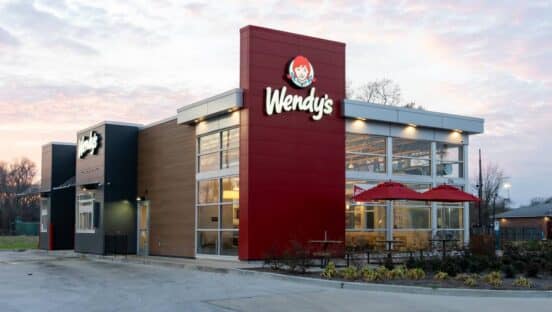
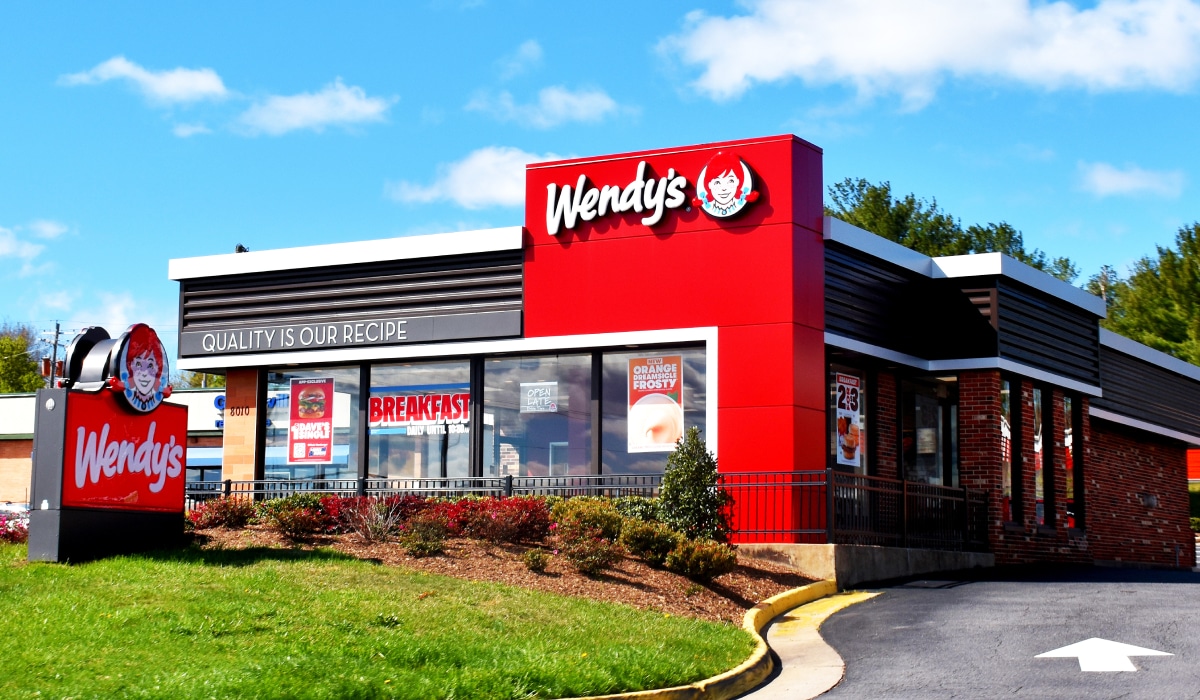
Wendy’s is giving its U.S. franchisees permission to start the day later.
The burger chain will make breakfast optional at every domestic restaurant, a significant shift in its effort to repair restaurant profitability and win back customers. The decision puts the economics of individual locations ahead of a uniform operating schedule as Wendy’s rebuilds a business still losing substantial traffic.
The company estimates the change could unlock up to $200 million in restaurant-level EBITDA across franchise and company restaurants. That benefit would come from eliminating breakfast losses and improving margins during the rest of the day.
“Mandating that franchisees operate during a daypart where they lose money is going to do nothing but hurt their business,” CEO Bob Wright said during Wendy’s third-quarter earnings call.
The breakfast decision is among the most consequential moves under Dave’s Way, Wendy’s multiyear turnaround strategy. The brand chose to move forward with the comeback and rejected a $1.4 billion takeover offer from an investor group led by billionaire Nelson Peltz. Another big move is a proposed acquisition of up to 163 restaurants from bankrupt franchisee Meritage Hospitality Group.
READ MORE:
New Wendy’s CEO Vows to Restore Quality and Revive Customer Traffic
The changes arrive as Wendy’s domestic same-restaurant sales declined 5.7 percent in Q3. Traffic fell 11.9 percent, partially offset by 6.2 percent average check growth. The comparable sales decline improved 130 basis points from Q2, with traffic improving sequentially through each period of the quarter.
Global systemwide sales decreased 5.9 percent. Adjusted EBITDA fell $24.6 million to $113.4 million.
Wendy’s studied restaurants that had already stopped serving breakfast before extending the option across the country. Those locations improved profitability at lunch, dinner, and late night, and many recovered all their breakfast sales during other dayparts.
A shorter operating day allows restaurants to concentrate manager coverage during busier hours. It also reduces waste associated with low-volume periods.
The company had discussed the change with franchisees the night before the call and was beginning to provide information to help them evaluate each restaurant. Wendy’s did not disclose how many locations might discontinue breakfast.
Restaurants that keep the daypart will continue receiving product, marketing, and operational support. Wright expects a substantial portion of franchisees to identify locations where breakfast fails the profitability test.
The same scrutiny of restaurant economics is driving Wendy’s response to Meritage’s bankruptcy.
The parties signed a letter of intent earlier in the week under which Wendy’s would acquire up to 163 locations. Those restaurants are concentrated in markets where the company already operates, giving it an existing field organization and local experience to support performance improvements.
Other Meritage markets are expected to transition to franchisees through the bankruptcy process. The proposed acquisition also permits higher and better offers from approved franchisees.
“This will be, we think, one of the largest, if not the largest acquisition of franchise-to-company restaurants in the company’s history, certainly in a long, long time,” Wright said.
Wendy’s could eventually refranchise acquired restaurants, but Wright did not commit to a timetable. The immediate opportunity is to improve operations and participate financially in their recovery.
A dedicated portfolio optimization team is working with a small group of franchisees requiring additional support. Options include royalty deferrals, discussions with lenders, restaurant sales, ownership transitions, and targeted closures.
The domestic restaurant count declined by a net 13 locations during Q3, a slower closure pace. Wright said potential shutdowns receive a review of trade areas, population, traffic counts, and competitors’ performance to determine whether a restaurant can recover.
The chain finished Q3 with 5,711 U.S. stores, down a net of 268 units year-over-year.
Restoring customer demand will also require a different menu experience.
Wendy’s is testing thicker, crispier bacon, a richer and creamier Frosty, whole leaf lettuce on sandwiches, and improved salads. The company is evaluating a smaller menu that removes low-volume products responsible for kitchen complexity.
Improvements will roll out as they become ready, leading to a fully refreshed menu experience in 2027. Wright cautioned that rebuilding the menu takes more than a few months.
The work also addresses a disconnect between Wendy’s food spending and customers’ perceptions of its quality and value.
“This team’s done that before. We’ve enjoyed that balance here at Wendy’s before, but we’ve let it go by making cuts in the wrong places and making investments in too many discounts in the wrong places,” Wright said.
The $7.99 Dave’s Single Combo represents an early move toward promoting the chain’s signature hamburgers at an accessible price. Wright said its food cost economics compare favorably with selling meals for $4 or $5.
Marketing has shifted toward made-to-order hamburgers featuring fresh, never-frozen beef. A new media placement strategy launched six weeks before the earnings call, supported by additional data and measurement tools.
Chief marketing and customer growth officer Tariq Hassan is developing a longer marketing calendar to give the brand a more consistent message.
Inside restaurants, Wendy’s sees a measurable connection between execution and customer visits.
Locations in the highest quintile of customer satisfaction scores outperform the lowest quintile on traffic by more than 500 basis points. The lunch drive-thru service gap between those groups is nearly two minutes.
Wendy’s is directing field resources toward its weakest performers first. It is combining survey responses with online reviews and social media feedback to obtain a faster reading of customer experiences.
The company has also restored cross-training expectations across company and franchise restaurants. Simplified training tools are expected to begin piloting early next year, supported by closer alignment of staffing with peak demand.
Delivery offers another opportunity to recover sales.
Tests at company and franchise restaurants produced delivery sales increases ranging from low double digits to 20 percent. More than 90 percent of U.S. franchise restaurants now participate in delivery promotions, nearly twice the participation level of a few months earlier.
Wendy’s is also improving menu presentation on delivery marketplaces and investing in more relevant digital offers.
International systemwide sales increased 3.5 percent, supported by 30 openings during Q3. International same-restaurant sales declined 2.2 percent, primarily because of weakness in Canada.
The company finished the quarter with approximately $413 million in cash and produced $174.2 million in free cash flow through the first nine months. CFO Steve Cirulis said Wendy’s has the financial capacity to fund its turnaround, including potential restaurant acquisitions.
Wendy’s has not provided a date for traffic to return to growth. The company plans to report customer satisfaction, throughput, training, and franchise financial health as early measures of whether its work is succeeding.
“We know that we’ve got a lot of work left to do,” Wright said. “We’re not going to call this a turn before it is one. What we will do every quarter, though, is show you whether the leading indicators are moving. Those will move before the earnings do, and we’re committed to reporting on those too.”