
Krispy Kreme didn’t have to look far to fill two top jobs. In August, the doughnut chain promoted Suk Nicholas to chief commercial officer, a newly created role, and Lori Suess to chief people officer. Both moves reflect the company’s commitment to developing talent from within as it pursues sustainable, profitable growth.
Nicholas, who began her career at L’Oréal and Barclays, now leads Krispy Kreme’s fresh delivery business in the U.S. and internationally. Suess, whose nearly two decades in HR include stops at Lockheed Martin, Electrolux and Newell Brands, oversees global people, culture, talent development and employee engagement.
Nicholas has spent her career growing Krispy Kreme’s business, and Suess has focused on the people behind it. Both took on bigger roles over time to earn their seats on the Global Leadership Team. In this exclusive WiRL interview with QSR magazine, they share their journeys, the lessons that shaped them, and their advice for women stepping into leadership.
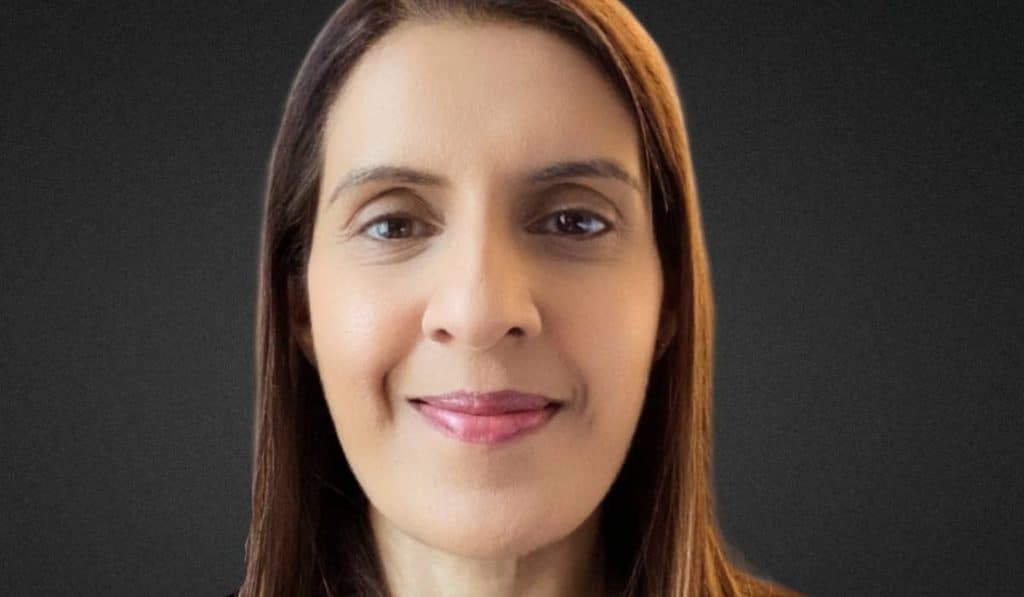
You’ve been at Krispy Kreme for 15 years, starting in the U.K. and Ireland in 2010 before moving to the global team in 2023. You’ve just been appointed to a newly created chief commercial officer role. What’s that journey been like—from building the U.K. business to now overseeing fresh delivery globally? What did you learn in those early years that prepared you for this?
I joined Krispy Kreme U.K. and Ireland in 2010, when the business was still proving its model outside the U.S. Fifteen years later, stepping into this newly created chief commercial officer role feels like the natural next step.
The early years taught me that you need a combination of factors for commercial strategy to be successful: a great brand that drives demand, strong relationships with your retail customers, mutually beneficial trading terms, all underpinned by executional excellence.
You built the U.K. and Ireland business into a £130 million-plus operation, managing both grocery and retail channels. How did you approach scaling that business? What were the key decisions or turning points that moved it from startup to £130 million?
Three decisions mattered most.
First, we treated grocery and our owned retail shops as distinct businesses with different economics, rather than applying one playbook to both.
Second, we started in one geographic area to prove out the model, ensuring we could deliver high-quality fresh doughnuts to multiple locations on time and in full. Credibility with partners and commercial sustainability had to come first.
Third, we focused on scale, going deeper with the right partners instead of saying yes to every opportunity.
You’ve overseen commercial strategy across more than 20 international markets. How do you balance global strategy with local execution? When do you push for alignment, and when do you let markets do their own thing?
We centralize what protects the brand—quality standards, product integrity, and the fundamentals of fresh delivery.
We localize everything else: partner selection, pricing, promotional strategy, and go-to-market execution. Local teams understand their retail landscape better than any global function can from a distance.
My role isn’t to dictate strategy to multiple markets. It’s to build shared standards and commercial capability so every market can execute at a high level on its own terms.
What would you tell women entering commercial leadership roles?
Sales has traditionally been a male-dominated space, but do not let that intimidate you. There is a perception that you must be aggressive to win in negotiations, but that is not true. Emotional intelligence, reading the room and genuinely understanding what the other side needs are just as powerful, and they are strengths many women bring naturally.
Do not stay in your comfort zone. It feels safe, but it is not where growth happens. You have to feel some discomfort to truly learn and challenge yourself.
One of my mentors once told me that business is really just solving puzzles. Every new role simply hands you a new set of puzzles to work through, and that mindset has stayed with me ever since.
As you step into the chief commercial officer role, what’s your vision for Krispy Kreme’s fresh delivery business? What excites you most about this new chapter, and what do you want to accomplish?
Fresh delivery is still early in its global growth curve, even after years of refining the model. It is an important part of the business because it allows us to reach more consumers than our retail shops alone.
I’m excited to continue to accelerate its growth, expand key partnerships and revenue opportunities, strengthen customer relationships, and build world-class commercial capabilities across markets.
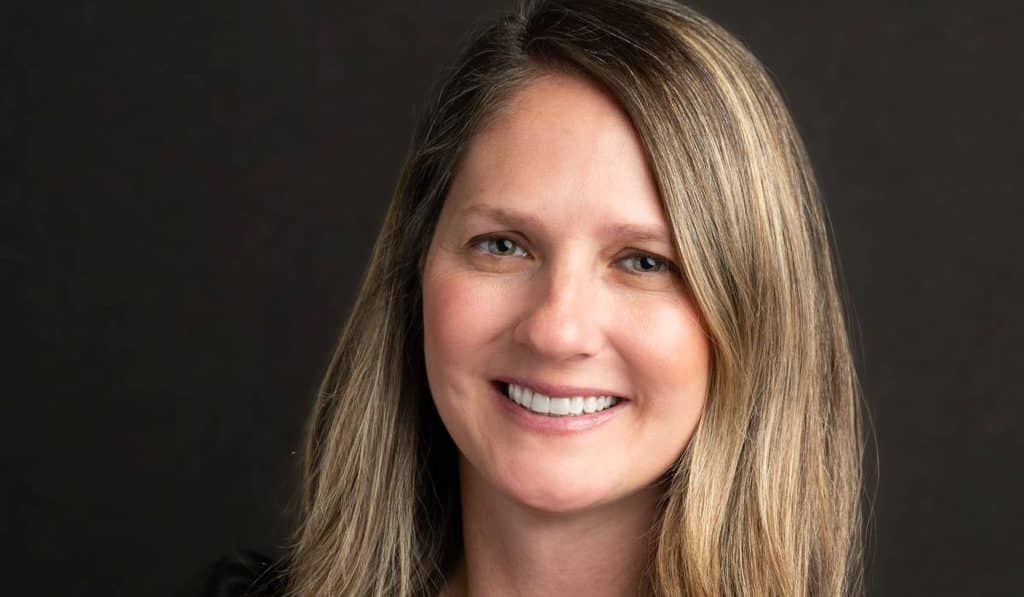
You joined Krispy Kreme in 2020, were named head of people and culture earlier this year, and now you’ve been promoted to chief people officer. What drew you to Krispy Kreme initially, and what’s changed in how you see the organization since you arrived?
What drew me to Krispy Kreme was the combination of a beloved brand—one that was part of some of my own earliest memories—and a purpose that genuinely guides how we operate. I also saw Krispy Kreme as a place where I could make a meaningful impact on the business.
Over the past six years, my appreciation for our people and our organization has only grown. When you work in people and culture, you naturally think about the impact of decisions on people, but that feels especially meaningful at Krispy Kreme. Our people truly make the difference. They show up every day to make fresh doughnuts and create those magical moments for our guests.
I’ve seen firsthand how important it is for our values to be reflected in the way we work every day. We’ve become even more intentional about connecting culture, talent and performance, creating opportunities for Krispy Kremers (what we call our people) to grow while building the capabilities we need for the future. That commitment to both our people and our results is what makes me so excited about where we’re headed.
You’ve worked across multiple industries throughout your career. What unique perspective did you bring when you joined Krispy Kreme? How did your diverse background shape how you approached building culture and people strategy here?
Working across industries taught me that while every business is different, the strongest organizations share a common foundation: amazing people, strong leaders, and a culture that enables performance.
That experience helped me bring fresh perspectives to Krispy Kreme while respecting the unique culture and purpose that has made the company successful for nearly 90 years now.
Rather than applying a one-size-fits-all approach, I’ve pulled from my various experiences and focused on building people strategies that reflect our values, support our business goals, and create opportunities for Krispy Kremers to grow and thrive.
At Krispy Kreme, how are you thinking about talent development and the leadership pipeline? What does it look like to build great leaders from within?
Building leaders from within is a priority for our global leadership team because the people who know our culture, values, and business best are often best positioned to lead us into the future. We want to create opportunities for our people to grow, take on new challenges, and build the skills they need to lead Krispy Kreme forward.
That means identifying talent early and investing in development at every stage of a career. From our internship program and early-career opportunities to stretch assignments, cross-functional experiences and leadership development programs, we are committed to helping Krispy Kremers grow and reach their potential.
Ultimately, leadership development isn’t just about filling future roles—it’s about creating opportunities for Krispy Kremers to build rewarding careers while ensuring we have the leadership capabilities needed to achieve our ambitions.
People strategy is business strategy. How do you connect the work you’re doing in culture and talent to Krispy Kreme’s overall growth and profitability goals? Can you give an example of how a people initiative directly impacted business results?
People strategy is absolutely business strategy. Our role is to ensure we have the talent, leadership capabilities, and culture needed to execute our business priorities and deliver results.
Every people and culture initiative we invest in must have a clear connection to sustainable, profitable growth, whether that’s improving retention, strengthening leadership, increasing engagement, or building critical capabilities for the future.
When Krispy Kremers feel connected, supported, and equipped to succeed, we see enhanced operational execution, a more consistent customer experience, and stronger business performance. That’s why we view investments in our people not as separate from the business strategy, but as essential to achieving it.
As a woman leading people and culture at a major brand, what’s your advice to other women in HR and people leadership roles? What do you want them to know about the power and the possibility of this function?
When I think about the people and culture function, I’m constantly reminded of the impact our work can have on both people and business outcomes. Every day, the way we show up shapes the experiences of individuals, teams, and leaders across the organization.
We help create an environment where people can grow, contribute, and do their best work, while ensuring the organization has the talent, leadership, and culture it needs to succeed.
It’s a responsibility I never take for granted. At its core, people and culture is about being entrusted with the success of both the organization and the people who make that success possible. That’s the power of this function, and I think there is tremendous possibility for women who choose to lead in this space.
The best advice I can give to women, or anyone, stepping into a leadership role is to actively seek feedback and surround yourself with people who will challenge you. Growth comes from having people around you who are willing to tell you not only what you’re doing well, but also where you can stretch and grow.
I’ve been fortunate to have leaders and mentors who believed in me, challenged me and opened my eyes to possibilities I hadn’t yet seen for myself. Those relationships have shaped my career and reinforced a lesson I carry with me today: surround yourself with people who support your ambitions, but who are also willing to push you beyond your comfort zone.