QSR was built on efficiency, and it delivered on that promise for decades. Now, consumers want more than fast. They want fast and a good experience.
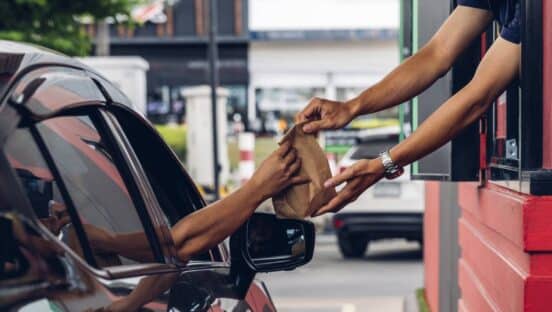
Drive-thrus shaved to the second, digital ordering eliminating the queue, AI now rewriting the entire service model in real time. Speed has become table stakes. We said as much in our own research: efficiency alone no longer wins loyalty, consumers have come to expect it, which means it’s stopped being the thing that sets one brand apart from another.
When every QSR is fast and highly digital, these things become the cost of doing business, not the source of competitive difference. And in chasing efficiency above all else, we’ve done something we didn’t intend.
We’ve stripped time of any meaning.
Fast is Table stakes. Felt is the Differentiator.
Think back to a meal you can genuinely remember, one that made an impact on you. Did you note how quickly the food came out? Or was it the warmth of the person who served you? The smell when you walked in? The sound of a busy kitchen? That small, unexpected moment of human connection that you weren’t even expecting?
Memory doesn’t form around speed. It forms around feeling.
QSR’s are spending an enormous amount of energy to make things faster. But why aren’t they putting the same energy into making time well spent?
The commercial stakes of getting this wrong are real. According to Qualtrics’ 2025 Consumer Trends Report, 66 percent of fast-food consumers reduce or stop spending after a single poor experience—more than any other sector. That’s a revenue problem. And it won’t be solved by shaving another ten seconds off the drive thru.
How Do You Design “Time Well Spent?”
The guest journey has four natural moments where brands can shift from transactional to memorable: Order, Wait, Pick-Up, and Return. Most brands invest heavily in the first, but the best ones invest intentionally across all four.
- ORDER: Make it Co-Creation, Not a Transaction
Ordering is, by design, an act of cognitive efficiency. But there’s a more generous version, one that reduces overwhelm without stripping out warmth. Cava does this well. Their live, step-by-step build transforms ordering into something collaborative. Staff guide, suggest, build in front of you. The menu stops being a wall of decisions and becomes a conversation. You leave feeling like that meal was made for you. Because in a sense, it was.
- WAIT: Turn Awkward into Anticipated
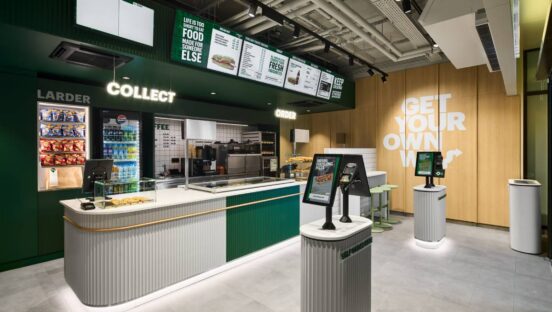
Where wait time can be cut, cut it. Where it can’t, transform it. Sweetgreen has understood this for years. Open kitchens and visible assembly do more than signal transparency, they signal craft. Watching your food being built stimulates appetite and makes the wait feel like part of the experience, not time stolen. Add sensory cues, smell, motion, sound, and impatience shifts into anticipation. People don’t mind waiting when they feel something worth waiting for is happening.
- PICK-UP: Not Confirmation of Completion, Confirmation of Care
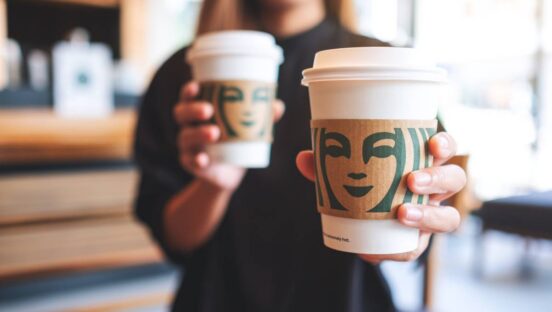
The pick-up moment is probably the most underrated touchpoint in the entire journey. It’s when the promise lands, and almost every brand treats it as an administrative handover. Number called. Bag passed. Done. Starbucks figured out something the rest of the industry hasn’t fully caught up with yet. Writing a name on a cup, adding a few words of encouragement like “you got this”‘” or “‘”have a great day,” shifts the entire feeling from transaction complete to this was made for you. A tiny thing with a disproportionate impact.
- RETURN: Give Them a Reason to Come Back
Getting someone through the door once is a marketing challenge but getting them back is an experience challenge. Crumbl Cookies is the most interesting case study here. Their weekly rotating menu, with new flavors revealed through social drop culture, has turned buying a cookie into an event. People return not because they’re incentivized to, but because there’s always something new worth coming back for. That kind of pull is as powerful as any loyalty mechanic you’ll ever build.
Time Isn’t the Enemy. It’s the Opportunity.
Fast gets you in the game. Felt is what keeps you there.
It’s a tension we think about constantly at my company. Our whole belief is that the best brands are distinctive everywhere—every touchpoint, every interaction, every second of the guest journey.
Tomorrow’s winners won’t be the ones that shaved the most seconds off their drive-thru, they’ll be the ones that made every second worth something.
Sam Smith is Executive Business Director of Experience at JKR, leading the agency’s work across digital, physical, and human-centered brand interactions. With over 20 years of experience, she helps global brands create authentic, consistent, and memorable experiences that connect with people at every touchpoint and drive growth.