Salad and Go may not be finished after all.
Two months after filing for bankruptcy and shutting down its remaining 70 restaurants, the once-promising drive-thru salad chain is preparing for a comeback under the direction of one of its original creators.
Daniel Patiño, the brand’s cofounder and longtime executive chef, has partnered with Arizona restaurateurs Mike Myers and Tom Misitano, cofounders of Hospitality First Concepts, to acquire Salad and Go’s intellectual property and begin rebuilding the business. The group has plans to reopen restaurants in Arizona and eventually pursue franchising.
The transaction gives Patiño an opportunity to restore a concept that grew from a single Gilbert, Arizona, restaurant in 2013 to nearly 150 locations before an aggressive expansion strategy, mounting financial losses, and widespread closures brought the business to an abrupt end.
“I just felt like, you know, it can’t end this way, like I have to find a way to keep this going,” Patiño told FOX 10 Phoenix.
The new ownership group, operating through Beyond Salt and Pepper LLC, acquired Salad and Go’s name, trademarks, and recipes for $180,000, according to bankruptcy court documents reported by local TV stations Arizona’s Family and KTAR News.
The group also secured a former Salad and Go restaurant in Gilbert for $1 and is pursuing another location in Mesa.
READ MORE:
Salad and Go Files for Bankruptcy, to Close All Restaurants
Dutch Bros and 7 Brew to Battle for Salad and Go Locations
7 Brew Wins Auction for 73 Salad and Go Sites in $143 Million Deal
Patiño told Arizona’s Family that he hopes to reopen the first restaurant within six weeks of approval.
The partners plan to operate company-owned restaurants and eventually make franchises available nationwide, according to KTAR. Hospitality First Concepts already operates several Arizona restaurant and hospitality businesses, including The Hub Grill and Bar and Rusty Buckle Saloon.
The comeback won’t necessarily recreate Salad and Go’s previous operating model.
Patiño told Arizona’s Family that the new restaurants will prepare food on-site, marking a significant departure from the centralized production strategy that supported the chain’s earlier expansion.
“Not happy with the chicken that we had before, transparently, right? But we’re going to be making everything in each location,” Patiño told the television station.
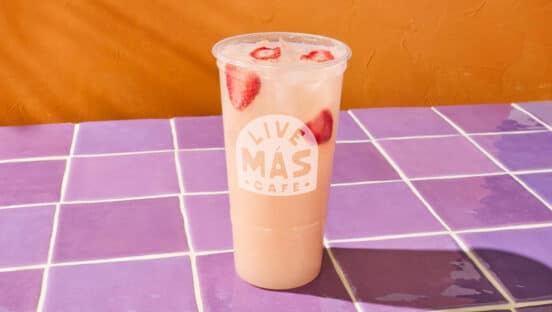
The team is also considering the return of popular proteins, including steak and shrimp, and has confirmed that the brand’s lemonades will return. Patiño indicated that the initial focus will be on getting the menu and existing locations operating successfully before pursuing additional growth.
The planned revival comes after one of the more dramatic collapses in recent quick-service history.
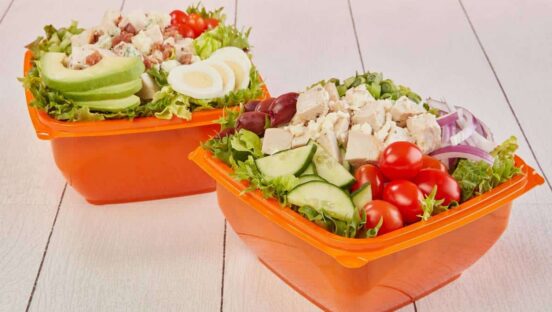
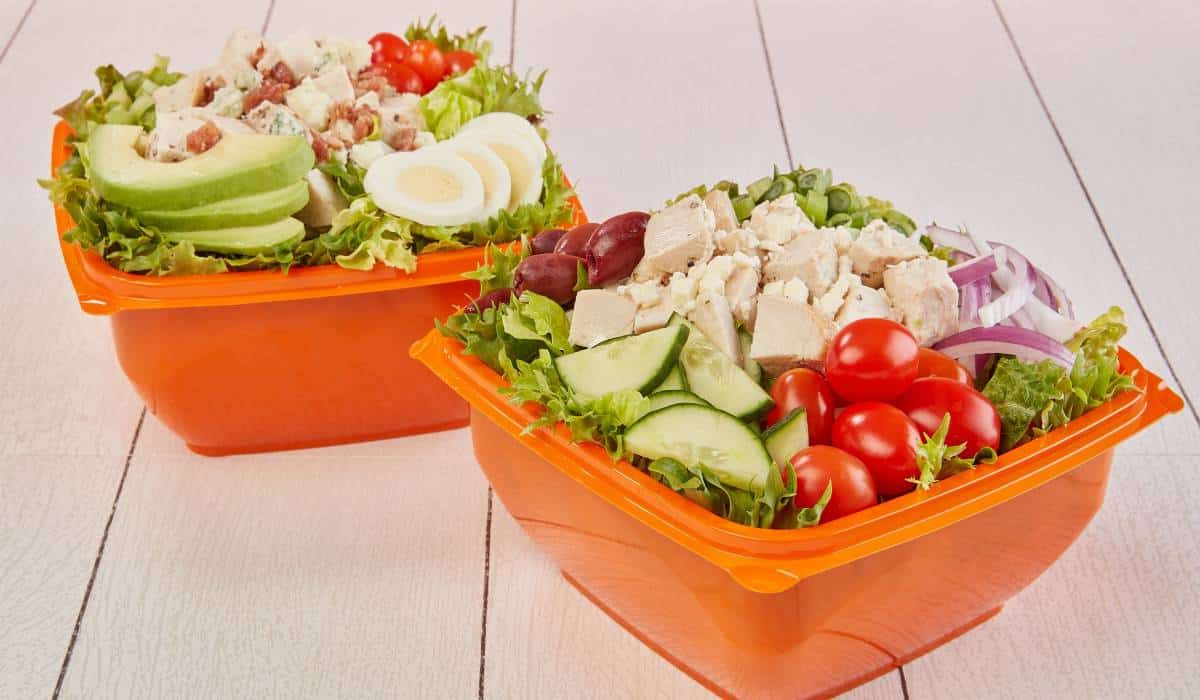
Salad and Go built its reputation around compact, drive-thru-only restaurants serving affordable salads, wraps, breakfast burritos, and other nutritious meals. The concept attracted attention for its ability to offer freshly prepared food at prices competitive with traditional fast-food chains.
But the company’s expansion into Texas and Oklahoma proved difficult. Salad and Go invested in a large commissary kitchen in Garland, Texas, capable of supplying as many as 500 restaurants within a 12-hour drive. Problems involving site selection, brand awareness, and its centralized production model contributed to financial pressure as the chain expanded.
The company began closing restaurants in September 2025, announcing 41 closures across Texas and other markets. Another 32 followed in January 2026 as Salad and Go abandoned Texas and Oklahoma entirely.
Those cuts left 70 restaurants in Arizona and Nevada, down from more than 140 in May 2025.
Former Krispy Kreme CEO Mike Tattersfield, who took over Salad and Go in April 2025, attempted to stabilize operations and improve food quality, kitchen efficiency, and throughput. But the chain continued to struggle with declining demand, rising costs, and expenses tied to its earlier expansion.
Salad and Go filed for bankruptcy in August, citing those challenges along with the impact of a multistate Cyclospora outbreak on consumer confidence. The chain was not implicated in the outbreak. All remaining restaurants closed shortly afterward, ending its initial 13-year run.
The bankruptcy also set off a competition for Salad and Go’s former real estate.
Dutch Bros initially agreed to pay $105 million for leasehold interests and related assets associated with approximately 65 former Salad and Go locations across Arizona, Nevada, Texas, and Oklahoma.
But fellow drive-thru beverage chain 7 Brew submitted a competing proposal and ultimately won an August 31 auction with a bid of approximately $143.2 million for an initial portfolio of 73 sites.
The agreement was subsequently adjusted, with one lease removed from the original portfolio, according to bankruptcy documents reported by QSR Pro. The transaction involved restaurant real estate and related assets, not ownership of the Salad and Go brand.
Additional former restaurants have been auctioned separately. The Phoenix Business Journal reported in early October that another 34 locations had attracted buyers, including Dutch Bros, Swig, 7 Brew, and Salad and Go’s cofounder.