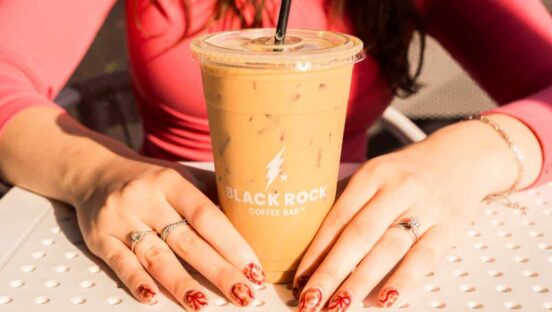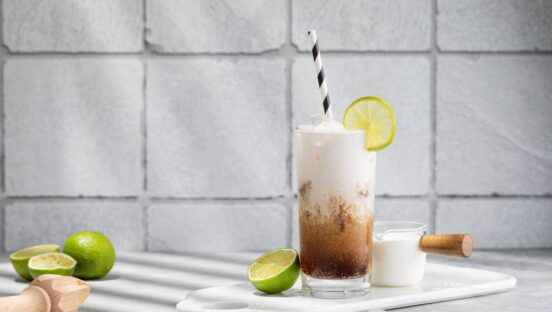
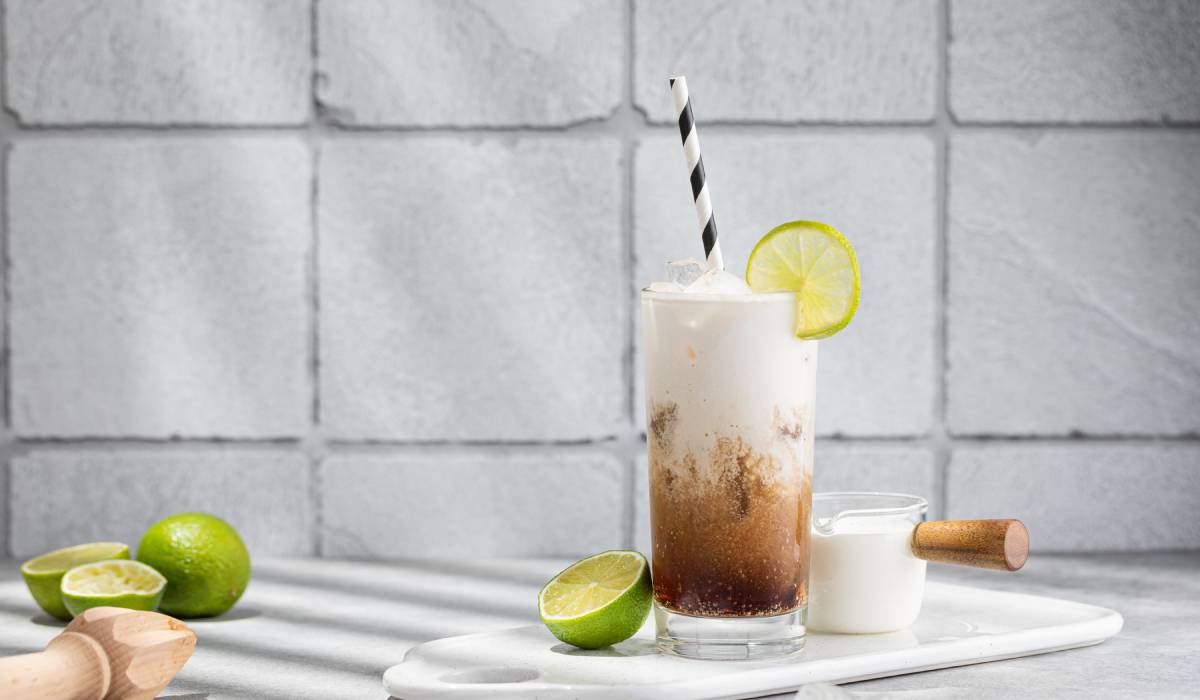
Taco Bell made dirty sodas a permanent menu item in March. McDonald’s launched crafted sodas and refreshers nationwide in May. A drink that started in Utah drive-thrus now sits on two of the biggest menus in QSR.
Here’s what gets lost in the national coverage. Dirty soda didn’t take off in Utah because of the syrup. It took off inside a culture built around non-alcoholic treats, where a customized soda from the drive-thru was the afternoon indulgence and something to share with friends. The drink and its occasion arrived together.
Our data suggests the occasion didn’t travel. Zappi surveyed 2,000 U.S. adults, and 53 percent have tried dirty soda. Only 28 percent buy it even occasionally. About half of those who’ve tried it (52 percent) came back, the lowest repeat rate of the six new drink formats we asked about. Refreshers hit 59 percent. Canned energy drinks hit 67 percent. The risk? When chains copy a trending drink without understanding the underlying reason people ordered it.
Copy the need, not the recipe
I’ve spent my career moving brands across borders, and the mistake I see most is treating local success as a product problem. Teams fixate on the recipe, which is the easy part. What people love locally is usually the job a product does for them, wrapped in local pride.
Kit Kat in Japan is the example I come back to. Nestlé saw unexplained sales spikes every January, traced them to university entrance exams (the name sounds like “kitto katsu,” or “you’ll surely win”), and built around that occasion, down to a Japan Post partnership that let people mail Kit Kats to students. It also made regional flavors that double as souvenirs in the places that inspired them. Nestlé didn’t invent the need. It noticed it, then kept the local pride local.
The greatest American hits that moved from local trends to national or even global success in QSR follow the same logic. Lou Groen’s Filet-O-Fish fixed dead Fridays in a heavily Catholic Cincinnati neighborhood and went national in 1965. McDonald’s took sweet tea from Southern menus to nationwide in 2008 at a dollar for 32 ounces.
Dirty soda has more work to be done to achieve similar success. McDonald’s says orders with its new beverages carry checks about 50% above average and bring new traffic after lunch. If that holds, the afternoon drink with friends is the occasion, and I’d build the menu around it.
Familiar gets the repeat order
Our testing points the same way on flavor. We put 13 real dirty sodas from U.S. menus in front of consumers with chain names removed. Orange Dream with Fanta, a Creamsicle in a cup, took 31% of top-pick votes when 20% was average. Drinks that paired soda with something unexpected landed near the bottom. Customers will accept a new format, but they won’t take a new format and a new flavor at once.
Cocoberry Cream, loaded with four add-ins, was rated the most distinctive of all 13 but finished second to last on top picks. Distinctive gets attention. But familiar is what gets the repeat order. Use the first for limited-time offers and the second for the core menu.
What one market tells you about the next
Preferences often split inside a single country. Over-35s pick Orange Dream. Under-35s pick Shark Attack and Dirty Baja Blast. More men than women have tried dirty soda (59% vs. 47%). I don’t see that as noise to average out. What customers do in one place or age group is the best early read on what the next will want, which is why connecting your data across markets matters.
That’s more urgent now. TikTok and reality TV pulled dirty soda out of Utah, and chains are reacting to something already national. This will happen again, faster, and speed cuts both ways. A brand that sees a trend early can build on it. One that doesn’t can end up in the middle of a trend it doesn’t understand. Taco Bell introduced Baja Blast dirty soda in January 2025 and made Dirty Sips permanent in March 2026, which gave it more than a year of customer behavior before committing.
If I ran a QSR menu, I’d ask three questions before adding any regional favorite. What job did it do at home? What has to change for that job to exist in a new local market? How will I know someone wants to come back for it again? Trial numbers will look great. Repeat purchase tells you whether you’ve got a menu item or a moment.
Nataly Kelly is the Chief Marketing Officer at Zappi, where she leads the global marketing strategy to drive awareness and demand for its consumer insights platform. A seasoned business leader and international marketing expert, she brings decades of experience helping companies scale and expand globally.