Inflation, labor pressures, convenience, and shifting consumer priorities are testing the QSR sector, but coffee continues to prevail. While consumers pull back on discretionary spending and rethink recurring expenses, they’re reluctant to skip their daily cup. That unwavering demand has quietly positioned coffee as one of the most dependable and resilient categories in food service.
The U.S. coffee industry is valued at approximately $343 billion, but the most compelling part of that story isn’t growth alone; it’s reliability. Coffee occupies a rare position as an “affordable luxury,” offering multiple engagements per day, strong margins, and predictable unit economics, even during periods of market instability. In an industry where volatility has become the norm, that level of stability stands out.
Why Coffee Continues to Defy Economic Pressure
Coffee consumption has proven to be remarkably inelastic. Even during downturns, guests may trade down elsewhere before they’ll give up their daily cup. That habitual behavior creates consistent traffic patterns, dependable revenue, and stronger lifetime customer value compared to many traditional food concepts. For operators, this translates into more resilient unit economics and greater confidence in long-term performance.
This durability is also driven by coffee’s role in daily routines. It’s not a special-occasion purchase; it’s part of how consumers maintain their sense of normalcy. They start their day with coffee and continue to fuel themselves throughout the day with coffee while connecting with others through work, friendship and family. Coffee brings people together. That emotional and behavioral connection is difficult to disrupt, even when budgets tighten.
What’s Fueling the Current Investment Surge
Given those fundamentals, it’s no surprise that investment activity across the coffee category has accelerated. Private equity firms, multi-unit operators, and even convenience stores are leaning into coffee-focused models as a hedge against inflationary headwinds. Drive-thru-centric formats continue to develop since COVID, thanks to their convenience, efficiency, smaller footprints, and ability to serve high volumes with lower overhead.
At the same time, digital ordering and loyalty platforms extend customer lifetime value and provide convenience, consumer control and deepening engagement with the brand that provides them with the products, tools and technology they need to fulfill their daily habit. When paired with disciplined real estate strategies and streamlined operations, coffee becomes not just scalable, but highly predictable; a combination investors are actively seeking in today’s market.
How Challenger Brands Are Gaining Ground
While legacy brands still command scale, challenger concepts are reshaping the competitive landscape. Emerging coffee brands are differentiating through authentic storytelling, bold flavor innovation, convenience, and lifestyle-driven positioning that resonates with modern consumers. Just as importantly, they’re moving faster; adapting quickly on real estate, menu development, technology adoption, and local market engagement in ways larger systems often cannot.
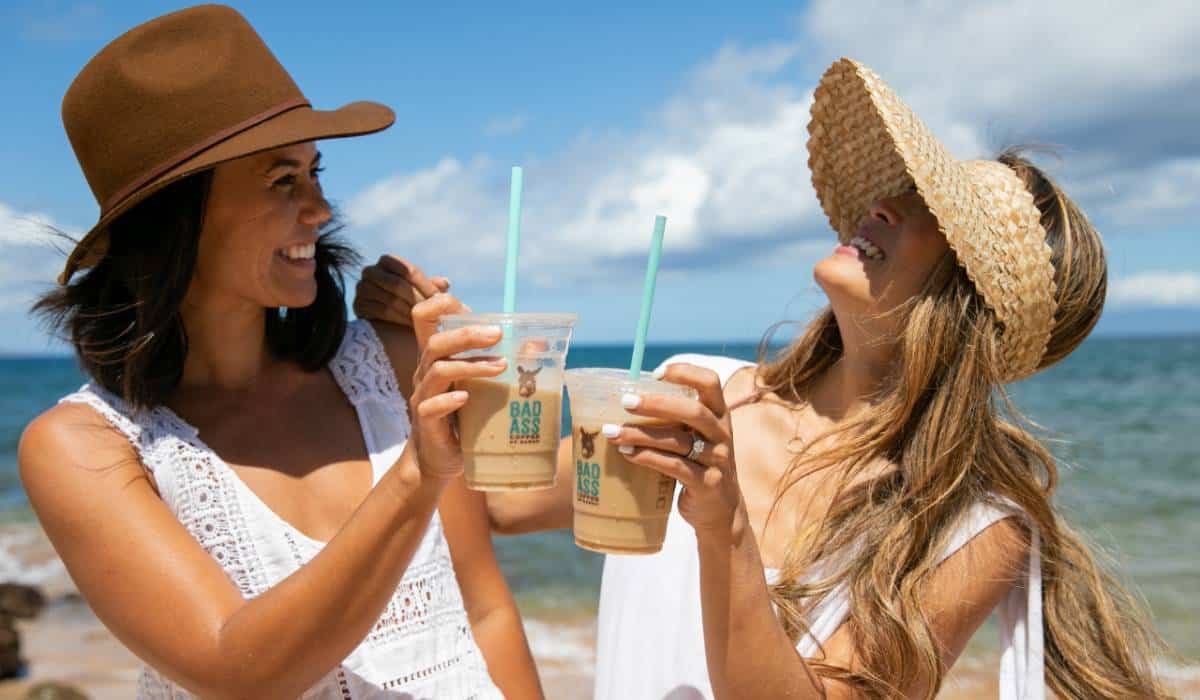
At Bad Ass Coffee of Hawaii, we’ve seen firsthand how agility and authenticity can create meaningful differentiation in an increasingly crowded space. Consumers today aren’t just buying a beverage; they’re buying into a brand story and an experience that reflects how they see themselves and how they want to move through the world. By grounding the brand in Hawaiian hospitality, bold flavor profiles, and a bold, badass lifestyle-driven point of view, we’ve been able to create moments that feel personal rather than transactional.
That emotional connection, reinforced through consistent execution, community engagement, convenience and a clear sense of identity, is becoming one of the strongest drivers of loyalty and long-term value in the modern coffee category.
Looking Ahead: Consolidation and the Next Phase of Growth
As the category continues to mature, the next chapter will be defined by consolidation and discipline. Brands with strong fundamentals, clear points of difference, a loyal fan base, and strong unit-level economics driven operational excellence will continue to attract capital, while those slow to evolve may find themselves increasingly vulnerable. The winners won’t simply serve good coffee. They’ll deliver great efficiency, consistency, and connection at scale.
Coffee has always been part of daily life. Today, it stands as one of the most durable and investable categories in QSR. Proving that even in uncertain times, some habits remain unbreakable.
Scott Snyder is the CEO of Bad Ass Coffee of Hawaii