

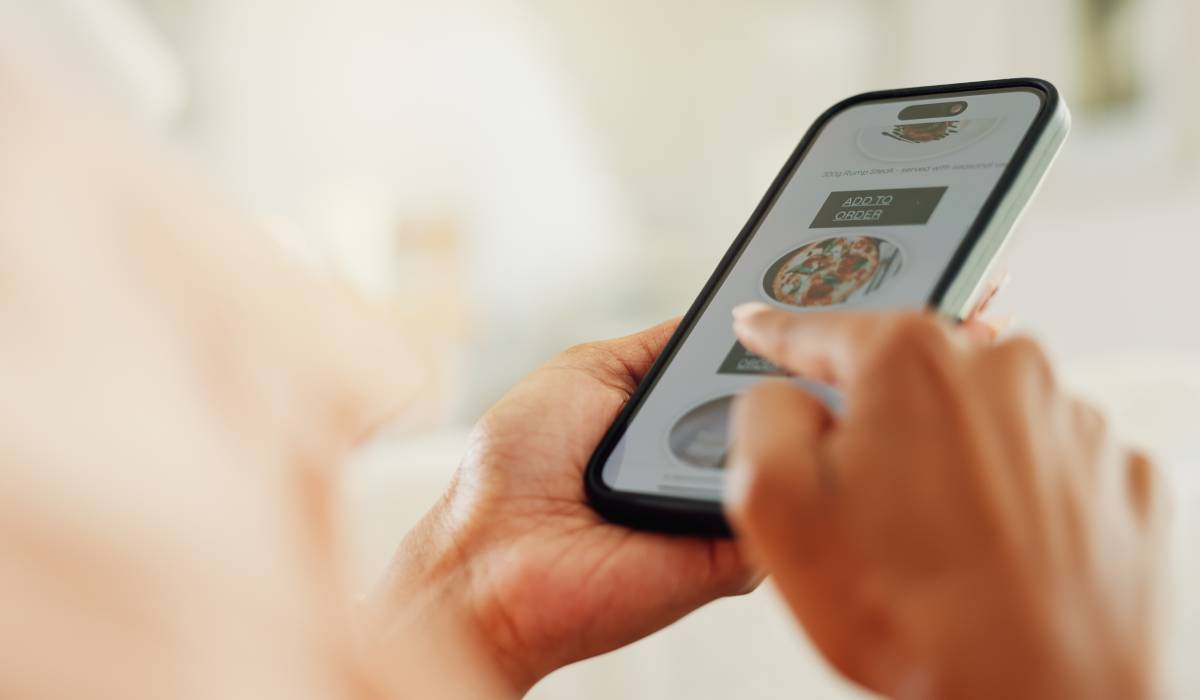
The restaurant industry’s approach to mobile has largely followed the same playbook: ordering, payments, loyalty and promotions. Each solves a need, but checking those boxes does not necessarily create a better customer experience.
As digital becomes a bigger part of how guests interact with their favorite restaurants, brands should be asking a bigger question: How can technology make every interaction more relevant without losing what made customers love the brand in the first place?
That requires thinking beyond the app as a transaction tool and toward an intelligent experience engine that can learn from how customers interact with the brand and evolve alongside them. Digital should strengthen the rituals, preferences and human interactions that build loyalty, not replace them.
Start with the experience, not the feature list
Digital product development often begins with “What should the app do?” Mobile ordering? Personalized offers? Or even worse, “What can my existing systems do?”
The starting point should be the customer. What brings someone back? Where does friction exist? What makes the brand distinct? Which parts of that experience can technology make easier or more relevant, and which should remain distinctly human?
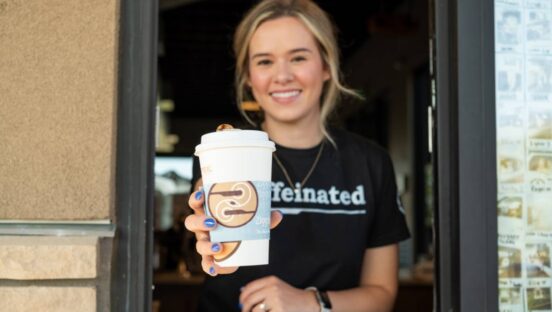
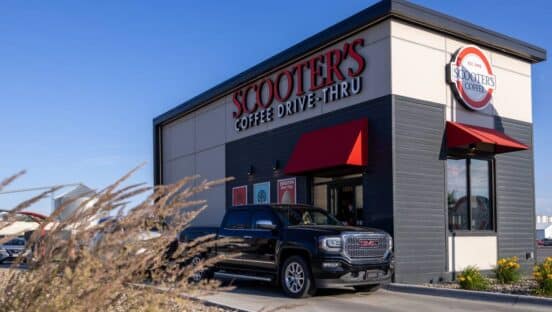
In our work with a fast-growing coffee brand with a highly engaged customer base, the opportunity wasn’t simply to recreate the physical experience on a smaller screen. It was to consider how a digital platform could support the behaviors and rituals that made the brand distinctive while creating a foundation that could evolve. Rather than rely on old assumptions about mobile ordering apps, we reset around what the ideal customer experience. Strategic technology investments followed from that view of the experience, not the other way around.
Having customer data isn’t the same as knowing your customer
Restaurants already generate valuable signals about customer behavior. What someone orders, when they order, which location they visit, and how often they return. Yet, a restaurant can have years of transaction history and still deliver a generic experience. The opportunity lies in connecting those signals to make each interaction useful. AI can identify patterns across ordering behavior, preference, location, and timing to make repeat orders easier, surface relevant menu information or adapt to different occasions. But none of that happens simply because a restaurant “adds AI.”
If ordering data, loyalty information, and customer preferences are siloed, an intelligent layer can only do so much. Connected systems, sound data architecture and scalable product engineering are what make a more responsive experience possible. That coffee brand, for example, was replacing its entire technology stack during the engagement, moving to a new point-of-sale platform, payment processor, loyalty provider and marketing cloud at the same time. Delivering the experience required a ground-up point-of-sale integration and a purpose-built menu translation layer that carries the in-store menu into the digital ordering experience. Bounteous has since made that layer a reusable asset, so other brands can connect a different point-of-sale system without rebuilding the integration from scratch.
Personalization should feel like recognition, not automation
Too often, personalization means another offer or notification designed to prompt a purchase. The best restaurant experiences have always been more human: a regular walk in and someone knows their order, or an employee recommends something they might enjoy. Digital should follow that principle. The goal isn’t to show customers how much data a restaurant has. Ideally, the intelligence is almost invisible: fewer steps to a usual order, loyalty that reflects how someone engages with the brand, or an experience that adjusts to the time of day. AI can help identify the patterns, but the technology should serve the customer experience.
The smartest technology starts with the people closest to the experience
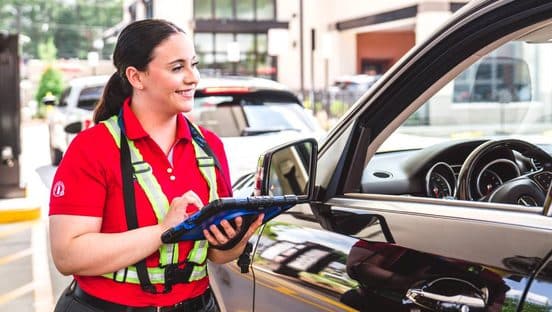
Creating that experience can’t fall to a tech team alone. Brand teams understand customers’ emotional connection to the restaurant and know what happens when a digital idea meets a busy morning rush or a drive-thru line. Product and technology teams understand what can be built and scaled. On the coffee brand engagement, an on-site strategy workshop brought analytics, brand and operations stakeholders into the same room to align on where the experience was headed before the roadmap was locked.
Together, they can avoid features that look compelling on a roadmap but create operational friction or solve a problem customer never had. The question is where technology can remove friction and create relevance.
As AI expands what digital platforms can do, the restaurants that create the strongest experience won’t necessarily introduce the most features. They will understand what makes their brand worth returning to, build the infrastructure to learn from each interaction, and use that intelligence deliberately.
The future of the restaurant is an experience that gets smarter every time a customer comes back.
Matt St. George is Vice President, Client Services at Bounteous, a global AI services firm.