
At one point, breakfast menus leaned heavily into inspirational eating with lighter, healthier options meant to help guests start the day on the right note. That era of avocado toast stacked high for Instagram appears to be fading, says George McLaughlin, cofounder and CEO of fast-casual breakfast and brunch chain Vicious Biscuit.
“There’s been this trend over the last couple of years where concepts are putting these healthier options on the menu that look great in a picture, but ultimately leave people hungry,” he says. “We really saw that value-driven culture in 2025, where people are thinking about how to get more for their dollar than they’ve been getting in the past. Those healthier but smaller and more expensive options aren’t really driving forces to create brand loyalty.”
McLaughlin adds that for Vicious Biscuit and much of the daytime dining segment, value has become the biggest driver of repeat visits, particularly as consumers grow more selective about discretionary spending. Today’s breakfast guest, he says, is prioritizing value, comfort, and familiarity, looking for plates that feel worth the price.
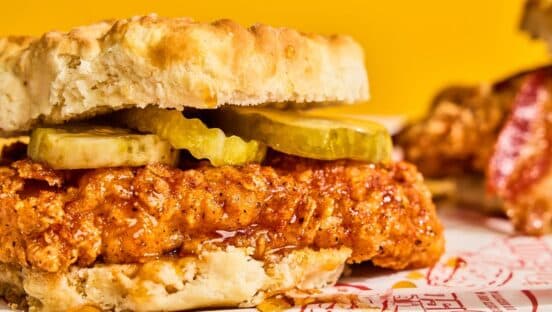
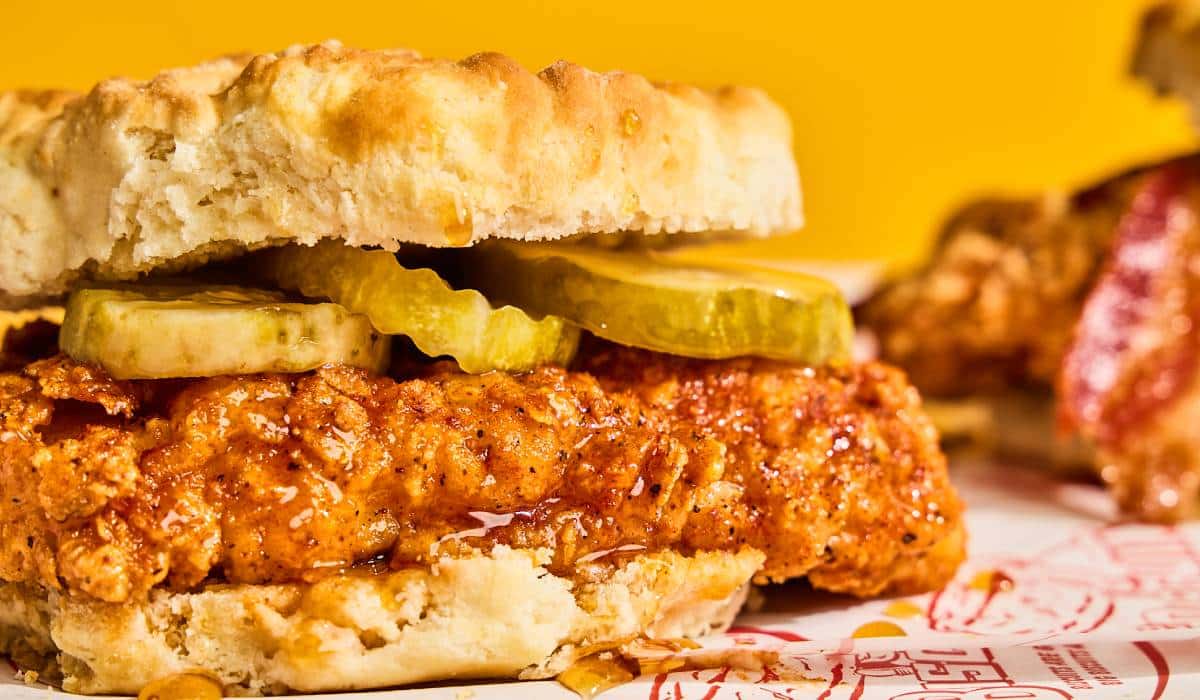
One of the brand’s biggest menu wins last year reflects that shift. The Firebird, formerly known as the Chicken Bacon Ranch biscuit, graduated from a limited-time offer to a permanent menu item after appearing twice as an LTO and consistently outperforming expectations. The hearty biscuit resonates with guests looking for something familiar, filling, and indulgent without crossing into novelty territory.
McLaughlin says the strong performance of classic, savory offerings also signals a broader move away from the overly sweet, confection-inspired breakfast items that once dominated the category.
“We’re seeing that sweet trend in breakfast drop off as people are looking for more of that comforting, chef-driven food,” he says, pointing to other recent successes like the Old Country Reboot, a bowl featuring potatoes, fried chicken, maple sausage gravy, egg, and peppers, as well as the Frenchie, a French Dip–inspired biscuit with roast beef, white cheese, and au jus.
As it brought the Chicken Bacon Ranch onto the core menu, Vicious Biscuit made several complementary adjustments. The S.E.C.—its Sausage, Egg & Cheese biscuit—joined the permanent lineup, while the chain also expanded its Southern comfort side offerings, including upgrading its signature grits with a cheesy preparation.
Similar forces are shaping menus at The Big Biscuit, which last year rolled out its largest-ever menu refresh. The update expanded the brand’s chicken and waffles section into a more prominent category, adding variations like Nashville hot and maple bacon.
“They are still takes on a classic dish, which is a big theme that we’re seeing—something that’s traditional and maybe a little bit more of a routine for people, but now they’re wanting more customization or elevation on it,” says Chad Offerdahl, CEO of the Kansas City-based casual-dining chain.
The Big Biscuit also introduced a line of chicken biscuit sandwiches, offering a traditional option alongside versions that mirror the bolder flavor profiles of its chicken and waffles. A similar strategy guided updates to the grits lineup, which now includes both classic country grits and more flavor-forward, customizable versions.
Another Broken Egg Cafe is also leaning into familiar comfort food. While the core menu already includes staples like shrimp and grits, chicken and waffles, and a Southern chicken sandwich, fresh leadership at the chain has focused on filling gaps with short-term, ingredient-driven offerings.
“The big wins for us lately have really come around how we look at our LTOs,” says Joel Reynders, the full-service brand’s VP of culinary and corporate executive chef. “We’ve been featuring seasonal items in a much more creative way.”
Standouts from the fall menu included a reimagined hash featuring shaved corned beef and honey-roasted Brussels sprouts, finished with lemon garlic aioli, sage leaves, and parmesan cheese, as well as the Louisiana Benedict, built on toasted garlic focaccia with grilled andouille sausage and a savory shrimp sauté.
“We got a lot of credit from our guests for the innovation on Benedicts and staying true to our Southern roots, but doing it in a way that’s more unique,” Reynders says.
Across service models, a consistent throughline is emerging: guests want classics and savory comfort food, but with just enough uniqueness to keep things interesting. That balance is especially important as many brands navigate traffic pressure.
Offerdahl says guests today are “much more willing to explore beyond their usual orders,” showing increased openness to LTOs and new offerings. At the same time, he believes sprawling, page-heavy menus are falling out of favor. As brands double down on comfort-driven food, many are also trimming menus to reduce complexity.
Looking ahead, Offerdahl says The Big Biscuit plans to lean further into build-your-own formats in 2026, blending chef-curated options with customization.
“The oversized menus, the overabundance of options—we’re really trying to fight that,” he says. “For us, it’s about giving our guests a lot of choices and customizations without creating decision fatigue or having an enormous menu.”
A similar mindset is shaping the beverage program at “craft-casual” breakfast chain Biscuit Belly, where cofounder and CEO Chad Coulter says alcoholic offerings are being streamlined.
“We’re not a boozy brunch place and we don’t want to be,” he says. “So, we’ve been looking at how we can shrink that down so we’re just doing the favorites and we’re doing them really well.”
Coulter also points to declining interest in traditional hot coffee drinks, with guests gravitating toward sweeter, visually driven cold or iced beverages. And although Biscuit Belly operates as a fast-casual concept, he says the experience leans closer to full service.
“We always tell people the only thing that’s really fast casual about us is how you order, and then everything else is pretty full service after that,” Coulter says. “We’re running drinks. We’re running food. You’re sitting down at a table.”
That service style allows room for creative, visually impactful beverages served in real glassware, such as an upcoming Cinnamon Swirl drink and a PB&J-inspired beverage using house-made berry jam.
Elevated, often non-alcoholic drinks are gaining traction across the category. The Big Biscuit has found success with its Western Sodas lineup, inspired by mocktails and the dirty soda trend, while Reynders says Another Broken Egg is seeing a “substantial lift” from flavored, menu-specific cold brews, particularly when paired with seasonal offerings. Eye-catching beverages, alcoholic or not, also tap into the social nature of weekend brunch, when guests are gathering face-to-face, sharing the experience, and lingering longer at the table.
That same social mindset is fueling renewed interest in shareable dishes. At The Big Biscuit, Offerdahl points to growing demand for items like biscuit baskets that allow guests to sample multiple offerings while reinforcing value. Reynders sees a similar opportunity at Another Broken Egg, where brunch is increasingly group-oriented.
“To us, shareables are really about filling a gap between the time you sit down at the table and the time the food comes out, not necessarily another course that’s extending the meal,” he says. “It’s a lot of fun with brunch because there’s so many different things that can be shareables. It can be candy bacon or it can be pull-apart biscuits—things that play a role with breakfast or brunch but are a little more unique than just a standard, traditional appetizer.”